Speed limits are a fundamental aspect of traffic law, designed to enhance road safety and promote orderly traffic flow. They serve as a regulatory measure that dictates the maximum speed at which vehicles can travel on various types of roads. Understanding the purpose of speed limits is crucial for both drivers and pedestrians, as these limits are not arbitrary; they are established based on extensive research and analysis of road conditions, traffic patterns, and accident statistics.The importance of speed limits extends beyond mere compliance with the law. They play a vital role in reducing the likelihood of accidents, minimizing the severity of collisions, and protecting vulnerable road users such as cyclists and pedestrians.
By setting appropriate speed limits, authorities aim to create a safer driving environment that encourages responsible behavior behind the wheel. Moreover, speed limits can vary significantly depending on the area—residential zones often have lower limits compared to highways—reflecting the need for tailored approaches to different driving contexts.As we delve deeper into this topic, we will explore how speed limits are determined, their impact on traffic safety, and the ongoing debates surrounding their effectiveness in modern society. By examining these elements, we can better appreciate the critical role that speed limits play within the broader framework of traffic law and their significance in our daily lives.
The Historical Context of Speed Limits
The concept of speed limits has a rich history that reflects the evolution of traffic laws and societal attitudes towards road safety. In the early days of motor vehicles, particularly in the late 19th and early 20th centuries, there were few regulations governing how fast cars could travel.The first recorded speed limit was established in the United Kingdom in 1865, which set a maximum speed of 2 mph in towns and 4 mph in the countryside. This was primarily aimed at protecting pedestrians from the dangers posed by the newfangled machines.As automobiles became more popular and roads began to improve, the need for more structured traffic regulations became apparent. By the 1920s, many states in the U.S. began to implement their own speed limits, often varying significantly from one jurisdiction to another.
This inconsistency highlighted the necessity for a standardized approach to speed regulation.In 1956, the Federal-Aid Highway Act led to the creation of the Interstate Highway System, which further necessitated uniform speed limits across states. The introduction of national speed limits in 1974, aimed at conserving fuel during an oil crisis, marked a significant turning point in traffic law history. Although this mandate was lifted in 1995, it set a precedent for ongoing discussions about speed regulation.Today, speed limits are determined by various factors including road type, traffic density, and surrounding environments. They are regularly reviewed and adjusted based on advancements in vehicle technology and changes in traffic patterns.
The historical context of speed limits illustrates not only how far we have come but also how these laws continue to evolve to meet modern safety standards and societal needs.
The Purpose of Speed Limits
Speed limits serve multiple critical purposes within the framework of traffic law, primarily focusing on enhancing safety, managing traffic flow, and addressing environmental concerns.Enhancing Safety
One of the foremost reasons for establishing speed limits is to promote road safety. By regulating how fast vehicles can travel, speed limits help reduce the likelihood of accidents. Higher speeds often correlate with more severe collisions, as they increase stopping distances and reduce reaction times. According to studies, areas with well-enforced speed limits experience significantly fewer accidents compared to those without.Managing Traffic Flow
Another essential purpose of speed limits is to facilitate efficient traffic flow.When vehicles travel at consistent speeds, it minimizes congestion and enhances the overall driving experience. Speed limits are strategically set based on road conditions, traffic density, and surrounding environments to ensure that vehicles can move smoothly without unnecessary delays.
Environmental Considerations
Speed limits also play a role in reducing environmental impact. Vehicles tend to consume more fuel and emit higher levels of pollutants at excessive speeds. By enforcing reasonable speed limits, cities can contribute to lower emissions and promote a cleaner environment.This aspect is increasingly important as communities strive for sustainability and reduced carbon footprints.
Conclusion
In summary, the purpose of speed limits extends beyond mere regulation; they are vital for ensuring safety, improving traffic efficiency, and protecting the environment. Understanding these benefits underscores the importance of adhering to traffic laws designed to create safer roadways for everyone.How Speed Limits Are Determined
Determining speed limits is a complex process that involves various methodologies and factors to ensure safety and efficiency on the roads. The primary goal is to establish a limit that reflects the road conditions, traffic patterns, and the characteristics of the area.Engineering Studies
- Traffic Flow Analysis: Engineers conduct studies to analyze how vehicles move along a particular stretch of road. This includes measuring the average speed of vehicles, which helps in setting a limit that accommodates safe travel.
- Road Design: The physical characteristics of the road, such as its width, curvature, and surface type, play a significant role in determining appropriate speed limits.
For instance, winding roads may necessitate lower speed limits compared to straight highways.
Accident Data Analysis
- Crash Statistics: Historical data on accidents can reveal patterns that inform speed limit decisions. Areas with high accident rates may require lower speed limits to enhance safety.
- Severity of Accidents: Not only the frequency but also the severity of accidents is considered. If high-speed collisions result in serious injuries or fatalities, this may prompt a reevaluation of existing speed limits.
Community Input
- Public Feedback: Local communities often have valuable insights regarding traffic behavior and safety concerns. Public meetings or surveys can gather input from residents, which can influence speed limit adjustments.
- Local Government Policies: Municipalities may have specific policies or guidelines that dictate how speed limits are set, often reflecting community values and priorities.
By considering these factors, traffic laws can be tailored to promote safer driving conditions for all road users.
The Impact of Speed Limits on Road Safety
Speed limits play a crucial role in enhancing road safety by regulating the maximum speed at which vehicles can travel on different types of roads. Research consistently shows that adhering to these limits significantly reduces the likelihood of accidents and fatalities. According to the National Highway Traffic Safety Administration (NHTSA), speeding is a contributing factor in approximately 26% of all traffic fatalities. This statistic underscores the importance of speed limits as a preventive measure. When drivers exceed the posted limits, their reaction times decrease, and the severity of collisions increases, leading to more serious injuries and deaths.Effectiveness of Speed Limits
Studies have demonstrated that areas with well-enforced speed limits experience fewer accidents.For instance, a study conducted by the Insurance Institute for Highway Safety (IIHS) found that reducing speed limits by just 5 mph can lead to a significant decrease in crash rates. This is particularly evident in urban areas where pedestrian traffic is high.
- Increased Reaction Time: Lower speeds provide drivers with more time to react to sudden changes in traffic conditions, such as pedestrians crossing or vehicles stopping unexpectedly.
- Reduced Impact Force: The force of a collision increases exponentially with speed. Lowering speed limits can reduce the severity of crashes, making them less likely to result in fatalities.
By understanding and respecting these limits, drivers contribute to a significant reduction in road-related injuries and fatalities.
Challenges and Controversies Surrounding Speed Limits
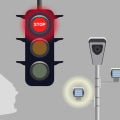
The implementation of speed limits is not without its challenges and controversies. One of the primary issues is the enforcement of these limits. Law enforcement agencies often face difficulties in monitoring speeds consistently, especially on highways where vehicles can travel at significantly different rates. The reliance on technology, such as speed cameras, has sparked debates about privacy and the potential for misuse, leading some to argue that these measures are more about generating revenue than ensuring safety.Public opinion on speed limits can also be quite polarized.Many drivers feel that certain speed limits are too low, particularly on well-maintained highways or rural roads where traffic is light. This sentiment can lead to widespread non-compliance, as drivers may choose to exceed the posted limits, believing that they are driving safely despite breaking the law. Conversely, there are communities that advocate for lower speed limits in residential areas to enhance safety for pedestrians and cyclists, highlighting a significant divide in public perception.Another challenge arises when local governments attempt to adjust speed limits based on changing conditions or new safety data. These changes can be met with resistance from residents who may view them as unnecessary or burdensome.
For instance, when a city proposes to lower speed limits in a neighborhood, it often faces pushback from those who prioritize convenience over safety.In summary, the controversies surrounding speed limits stem from a complex interplay of enforcement challenges, public opinion, and community resistance to regulatory changes. As traffic laws continue to evolve, finding a balance between safety and convenience remains a critical issue for policymakers.
Future Trends in Speed Limit Regulations
As we look towards the future, speed limit regulations are poised to undergo significant transformations driven by advancements in technology. The integration of automated vehicles and smart traffic management systems is reshaping how we approach speed limits, aiming to enhance road safety and efficiency.Automated Vehicles and Speed Regulation
- Adaptive Speed Control: Automated vehicles are equipped with sophisticated sensors and algorithms that allow them to adjust their speed in real-time based on road conditions, traffic flow, and existing speed limits. This capability could lead to a more dynamic approach to speed regulation, where speed limits are not static but adapt to current circumstances.
- Data-Driven Insights: The data collected from automated vehicles can provide valuable insights into traffic patterns and accident hotspots.
This information can inform policymakers about where speed limits may need to be adjusted for safety or efficiency.
Smart Traffic Systems
- Real-Time Adjustments: Smart traffic systems can communicate with vehicles and infrastructure to modify speed limits based on real-time conditions such as weather, construction, or accidents. This could help reduce congestion and improve overall traffic flow.
- Enhanced Compliance: With the rise of connected vehicles, compliance with speed limits could be monitored more effectively. Systems could alert drivers when they exceed the limit or even automatically adjust vehicle speeds to comply with changing regulations.
Frequently Asked Questions About Speed Limits
Understanding speed limits can often lead to confusion and misconceptions.Here are some frequently asked questions that clarify the purpose and enforcement of these important traffic laws.
- Why do speed limits vary from one area to another?
Speed limits are determined based on various factors, including road conditions, traffic density, and the presence of pedestrians. Urban areas typically have lower speed limits to ensure safety, while rural roads may allow for higher speeds due to less congestion. - Are speed limits suggestions or requirements?
Speed limits are legally enforceable traffic laws. Drivers are required to adhere to these limits, and violations can result in fines or other penalties. - What happens if I exceed the speed limit?
Exceeding the speed limit can lead to traffic citations, increased insurance rates, and in severe cases, accidents that may result in injury or death. It is crucial to follow posted limits for your safety and the safety of others. - Can speed limits change?
Yes, speed limits can be adjusted based on changes in road conditions, traffic patterns, or community needs.Local authorities regularly review and update these limits to enhance safety.
- Are there exceptions to speed limits?
Certain vehicles, such as emergency vehicles, may be exempt from standard speed limits when responding to emergencies. However, they must still operate with caution.
Conclusion: The Importance of Understanding Speed Limits in Traffic Law
In conclusion, understanding the purpose of speed limits is crucial for both drivers and the broader community. Speed limits are not arbitrary numbers; they are carefully determined based on a variety of factors including road conditions, traffic patterns, and safety considerations.By adhering to these limits, drivers contribute to a safer driving environment for everyone.Moreover, speed limits play a significant role in traffic law, serving as a legal framework that helps enforce safe driving practices. When individuals respect these regulations, they not only protect themselves but also reduce the risk of accidents that can have devastating consequences.
- Safety: Speed limits are designed to minimize the likelihood of collisions and injuries.
- Traffic Flow: Proper adherence to speed limits helps maintain a smooth flow of traffic, reducing congestion.
- Legal Implications: Violating speed limits can lead to fines, points on a driver’s license, and increased insurance rates.
By respecting these regulations, we can all contribute to safer roads and a more harmonious driving experience for everyone.