Understanding traffic law is essential for every driver, as it encompasses the rules and regulations that govern road usage. These laws are designed not only to maintain order on the roads but also to ensure the safety of all users, including pedestrians, cyclists, and motorists. When drivers adhere to these regulations, they contribute to a safer driving environment, reducing the likelihood of accidents and injuries. One critical aspect of driving regulations is the enforcement of rules regarding suspended or closed roads. These roads may be closed for various reasons, such as construction, natural disasters, or hazardous conditions.
Ignoring these closures can lead to severe consequences, not just for the individual driver but also for others on the road. The penalties for driving on these restricted paths can vary significantly depending on the jurisdiction and the specific circumstances surrounding the violation. In this article, we will delve deeper into the implications of violating traffic laws related to suspended or closed roads. By understanding these penalties, drivers can better appreciate the importance of compliance and the role it plays in promoting overall road safety. As we explore this topic, we aim to equip readers with knowledge that not only informs but also encourages responsible driving behavior.
What Does It Mean to Drive on a Suspended or Closed Road?
Driving on a suspended road or a closed road can lead to serious legal consequences, and understanding these terms is essential for any driver.A suspended road typically refers to a roadway that has been temporarily closed to traffic due to various reasons such as construction, maintenance, or hazardous conditions. These suspensions are often marked with clear signage indicating that the road is not open for public use.On the other hand, a closed road may be permanently or temporarily inaccessible due to factors like natural disasters, accidents, or significant structural damage. Local authorities usually implement these closures to ensure the safety of drivers and pedestrians alike.Both suspended and closed roads are designated for specific reasons, and ignoring these warnings can result in traffic violations. Here are some common reasons why roads may be suspended or closed:
- Construction Work: Roads undergoing repairs or upgrades are often closed to prevent accidents and allow workers to operate safely.
- Weather Conditions: Severe weather events like floods or snowstorms can render roads unsafe, leading to temporary closures.
- Accidents: Major accidents may necessitate the closure of roads for investigation and cleanup.
- Public Safety: Events such as parades or festivals may require road closures to protect participants and spectators.
Not only does it help in avoiding potential fines and penalties associated with traffic law, but it also promotes safer driving practices. Always pay attention to road signs and obey local traffic regulations to ensure your safety and that of others on the road.
Legal Penalties for Driving on a Suspended Road
Driving on a suspended or closed road can lead to serious legal penalties that vary by state and the specific circumstances of the violation. Understanding these penalties is crucial for anyone who may find themselves in such a situation.Fines and Traffic Fines
- The most immediate consequence of driving on a suspended road is typically a traffic fine. These fines can range significantly, often starting at several hundred dollars and potentially exceeding $1,000 depending on the jurisdiction.
- In addition to the base fine, there may be additional fees or surcharges that can increase the total amount owed.
Points on Your License
- Most states impose a point system on driving violations.
If you are caught driving on a suspended road, you may receive points on your driving record.
- Accumulating too many points can lead to further penalties, including increased insurance rates and even suspension of your driving privileges.
Potential Jail Time
- In more severe cases, especially if the violation is repeated or if it results in an accident, individuals may face jail time. This can range from a few days to several months.
- Judges often consider factors such as prior offenses, the reason for the road's suspension, and whether any harm was caused during the violation when determining jail time.
Long-term Consequences
- A conviction for driving on a suspended road can have long-lasting effects on your driving record and insurance premiums.
- It may also complicate future legal matters, especially if you face additional traffic violations.
Legal Penalties for Driving on a Closed Road
Driving on a closed road can lead to serious legal penalties that vary by state and the specific circumstances surrounding the violation. Understanding these penalties is crucial for all drivers, as they underscore the importance of adhering to traffic laws designed to ensure public safety.Common Penalties for Driving on a Closed Road
- Fines: Most jurisdictions impose monetary fines for driving on closed roads.
These fines can range from a few hundred dollars to over a thousand, depending on the severity of the violation and local laws.
- Points on Driving Record: In many states, traffic violations result in points being added to your driving record. Accumulating too many points can lead to increased insurance rates or even license suspension.
- Community Service: Some courts may impose community service requirements as part of the penalty, especially for repeat offenders.
- Vehicle Impoundment: In certain cases, law enforcement may impound your vehicle if you are caught driving on a closed road, leading to additional fees and complications.
Differences Between Closed and Suspended Roads
It is important to distinguish between closed roads and suspended roads. A closed road typically indicates that it is unsafe for travel due to construction, natural disasters, or other hazards. In contrast, a suspended road may refer to a temporary suspension of driving privileges due to legal issues or unpaid fines.
While both situations carry penalties, driving on a closed road often poses greater risks and consequences due to the potential danger involved.
The Importance of Obeying Road Closures
Obeying road closures is not just about avoiding fines; it is about ensuring your safety and the safety of others. Closed roads are often marked for good reason, and ignoring these warnings can lead to accidents or injuries. By respecting traffic laws, you contribute to safer roadways for everyone.
Factors Influencing Penalties
When it comes to traffic law, the penalties for driving on a suspended or closed road can vary significantly based on several factors. Understanding these factors is crucial for drivers to navigate the legal landscape effectively.Severity of Violation
The severity of the violation plays a critical role in determining penalties.For instance, if a driver is caught on a closed road due to construction or hazardous conditions, the penalties may be less severe compared to driving on a suspended road due to prior offenses. In many jurisdictions, driving on a suspended road can lead to harsher fines and potential jail time.
Prior Offenses
A driver’s history of prior offenses can also influence the penalties imposed. Repeat offenders are often subject to stricter consequences. For example, if an individual has multiple violations related to driving on suspended roads, they may face increased fines, longer license suspensions, or even mandatory attendance at traffic school.State Laws
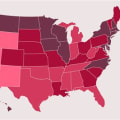
Each state has its own set of traffic laws that dictate the penalties for driving on suspended or closed roads.Some states may impose hefty fines and points on the driver’s record, while others might have more lenient approaches. It’s essential for drivers to familiarize themselves with their state’s specific regulations to understand the potential repercussions they may face.
- Fines: Vary by state and severity of the violation.
- Points on License: Accumulation can lead to further penalties.
- Jail Time: Possible for repeat offenders or severe violations.
- Traffic School: May be mandated in some cases.
State-Specific Laws and Variations in Penalties
When it comes to traffic law, the penalties for driving on a suspended or closed road can vary significantly from state to state. Understanding these variations is crucial for drivers to avoid unexpected legal consequences.State Traffic Laws
- California: In California, driving on a suspended road can result in fines ranging from $300 to $1,000, along with potential points on your driving record.
Repeat offenders may face harsher penalties, including increased fines and possible jail time.
- Texas: Texas law imposes a fine of up to $500 for driving on a closed road. Additionally, if the closure is due to hazardous conditions, drivers may be held liable for any damages caused by their actions.
- New York: In New York, penalties can include fines up to $1,000 and a possible suspension of your driver's license for up to six months. Local jurisdictions may impose additional fines based on specific local traffic regulations.
- Florida: Florida has strict laws against driving on closed roads, with fines that can reach $1,000. Moreover, if the driver is involved in an accident while violating this law, they may face civil liability.
Local Traffic Regulations
In addition to state laws, local traffic regulations can further complicate the legal landscape.
For instance, some municipalities may have ordinances that impose additional penalties or fines for driving on closed roads. It is essential for drivers to be aware of both state and local laws to ensure compliance and avoid penalties.Overall, the consequences of driving on a suspended or closed road can be severe and vary widely across different jurisdictions. Therefore, staying informed about state traffic laws and local regulations is vital for all drivers.
Frequently Asked Questions About Traffic Law Violations
When it comes to traffic law, many drivers have questions about the implications of driving on a suspended or closed road. Here are some frequently asked questions that can help clarify these issues:- What constitutes a suspended road?
A suspended road is typically one that has been closed to traffic due to construction, accidents, or hazardous conditions.Driving on such roads can lead to serious penalties.
- What are the penalties for driving on a suspended road?
Penalties can vary by state, but they often include fines, points on your driving record, and even potential jail time in severe cases. In some jurisdictions, repeat offenders may face harsher consequences. - Can I contest a ticket for driving on a closed road?
Yes, you can contest a ticket if you believe it was issued in error. However, you will need to provide evidence supporting your case, such as photographs or witness statements. - What should I do if I accidentally drive on a closed road?
If you find yourself on a closed road by mistake, it’s best to turn around safely and exit the area as soon as possible. Document the situation if you can, as this may help if you receive a citation. - Are there exceptions for emergency vehicles?
Yes, emergency vehicles are often exempt from certain traffic laws, including those pertaining to closed roads.However, this does not apply to regular vehicles.
Conclusion: The Importance of Adhering to Traffic Laws
In conclusion, understanding and adhering to traffic laws is crucial for every driver. The penalties for driving on a suspended or closed road can be severe, including hefty fines, points on your driving record, and even potential jail time. These consequences not only affect your immediate financial situation but can also have long-term implications on your insurance rates and driving privileges.Throughout this article, we have explored the various aspects of traffic law related to suspended and closed roads.Here are some key takeaways:
- Legal Consequences: Driving on a suspended road can lead to significant legal repercussions, including criminal charges.
- Safety Risks: Closed roads are often designated as such for safety reasons, and ignoring these warnings can endanger not only your life but also the lives of others.
- Financial Impact: The costs associated with fines and increased insurance premiums can add up quickly, making it financially unwise to disregard traffic laws.