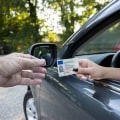
Driving is a privilege that comes with significant responsibilities, one of which is maintaining adequate insurance coverage.
Driving without insurance
is not just a risky choice; it is a violation of traffic law in many states across the U.S. This legal requirement is designed to protect all road users, ensuring that in the event of an accident, there are financial resources available to cover damages and medical expenses. Understanding the implications of driving uninsured is crucial for every driver. The consequences of no insurance can be severe and far-reaching.From hefty fines to potential jail time, the penalties vary significantly depending on the state and the circumstances surrounding the offense. Moreover, being caught without insurance can lead to increased premiums in the future, making it even more expensive to drive legally. This section will delve into the various penalties associated with driving without insurance, highlighting why compliance with traffic laws is essential for both personal safety and legal protection. As we explore this topic further, it becomes evident that the stakes are high for those who choose to drive uninsured. Not only does it pose a risk to their financial stability, but it also endangers other drivers and pedestrians on the road.
By understanding the legal framework surrounding traffic law and the specific penalties for driving without insurance, individuals can make informed decisions that prioritize safety and compliance.
Overview of Traffic Laws Regarding Insurance
Understanding traffic laws regarding insurance is crucial for all drivers, as these laws vary significantly from state to state. Each state has its own set of regulations that dictate the minimum insurance requirements necessary to legally operate a vehicle.In general, most states require drivers to carry a minimum amount of liability insurance. This coverage is designed to protect other drivers and their property in the event of an accident. However, the specific requirements can differ:- Liability Insurance: Most states mandate a minimum level of liability coverage, which typically includes bodily injury and property damage limits.
- No-Fault Insurance: Some states operate under a no-fault system, meaning that drivers must carry personal injury protection (PIP) to cover their own medical expenses regardless of who is at fault in an accident.
- Uninsured/Underinsured Motorist Coverage: Many states also require drivers to have coverage that protects them in case they are involved in an accident with someone who lacks adequate insurance.
Failure to comply with these laws can lead to severe penalties, including fines, license suspension, and even legal repercussions. For instance, states like California impose hefty fines for driving without insurance, while others may require community service or mandatory insurance education courses.Moreover, some states have adopted stricter measures such as vehicle impoundment for repeat offenders. Understanding these local regulations not only helps avoid penalties but also ensures that drivers are adequately protected on the road.In conclusion, being aware of the varying traffic laws related to insurance is vital for every driver. It not only aids in compliance but also promotes safer driving practices across the board.
Penalties for Driving Without Insurance
Driving without insurance can lead to severe penalties that vary significantly by state.Understanding these consequences is crucial for all drivers to avoid legal troubles and financial burdens.
Fines and Fees
- Most states impose hefty fines for driving without insurance, which can range from $100 to over $1,000 depending on the jurisdiction.
- In addition to initial fines, there may be administrative fees that can further increase the total cost of the penalty.
Points on Your Driver's License
- Many states assign points to your driving record for operating a vehicle without insurance. Accumulating too many points can lead to increased insurance rates or even license suspension.
- The number of points varies by state, but it typically ranges from 2 to 4 points for this violation.
Legal Consequences
- In some cases, driving without insurance can result in a misdemeanor charge, which may carry more severe penalties, including potential jail time.
- If involved in an accident while uninsured, you could face additional legal actions, including being held liable for damages and medical expenses.
Long-term Implications
- A conviction for driving without insurance can lead to higher premiums when you do obtain coverage in the future, as insurers view it as a significant risk factor.
- You may also face challenges in obtaining a new policy, as many companies require proof of prior insurance.
State-Specific Penalties and Variations
When it comes to traffic law, the penalties for driving without insurance can vary widely across the United States. Each state has its own regulations and consequences, which can lead to significant differences in how offenders are treated.For instance, in California , driving without insurance can result in fines ranging from $100 to $200 for a first offense, along with potential points on your driving record.Repeat offenders may face increased fines and even vehicle impoundment.In contrast, Florida has a more stringent approach. The state imposes a fine of up to $500 for a first offense, and if you are caught driving without insurance multiple times, the penalties can escalate to include license suspension and higher fines.
Texas
also has notable penalties. A first-time offender may face a fine of $175, but subsequent violations can lead to fines of up to $350. Additionally, Texas law mandates that drivers must provide proof of insurance when requested by law enforcement, and failure to do so can result in further legal complications.On the other hand, some states like New Hampshire do not require drivers to carry insurance at all, although they must demonstrate financial responsibility in the event of an accident.
This unique approach highlights the variations in state laws regarding insurance requirements.Overall, understanding these state-specific penalties is crucial for drivers. Not only do they affect the financial implications of being uninsured, but they also influence how one should approach driving legally within their state. Always check your local laws to ensure compliance and avoid unexpected penalties.
Insurance Alternatives and Options
For drivers seeking to comply with traffic laws without the burden of traditional car insurance premiums, there are several insurance alternatives and options available. Understanding these alternatives can help ensure that you remain legally compliant while also managing your budget effectively.Low-Cost Insurance Options
Many insurance companies offer low-cost insurance options designed for budget-conscious drivers.These policies often provide the minimum required coverage mandated by state laws, which can include:
- Liability Coverage: This is the most basic form of insurance, covering damages to other vehicles and medical expenses in the event of an accident where you are at fault.
- State-Sponsored Insurance Programs: Some states offer programs that provide affordable insurance for low-income individuals. These programs can help you meet legal requirements without breaking the bank.
- Pay-Per-Mile Insurance: If you drive infrequently, consider pay-per-mile insurance, which charges you based on how much you drive, potentially saving you money.
Uninsured Motorist Coverage
Uninsured motorist coverage is another important option to consider. This type of coverage protects you in the event of an accident with a driver who does not have insurance. While it may not be a substitute for traditional insurance, it can provide peace of mind and financial protection against potential liabilities.Additionally, some states require drivers to carry uninsured motorist coverage as part of their auto insurance policy.This ensures that even if you encounter an uninsured driver, you will still have some level of protection against medical expenses and damages.In conclusion, exploring insurance alternatives, such as low-cost options and uninsured motorist coverage, can help drivers navigate the complexities of traffic law. By understanding these alternatives, you can find a solution that meets your needs while ensuring compliance with legal requirements.
Frequently Asked Questions About Driving Without Insurance
Driving without insurance raises numerous questions for many individuals. Here are some of the most frequently asked questions regarding traffic law and the implications of operating a vehicle without proper coverage.- What are the penalties for driving without insurance?
The penalties vary by state but can include hefty fines, points on your driving record, and even suspension of your driver's license. In some cases, repeat offenders may face increased penalties. - Can I be sued if I cause an accident while uninsured?
Yes, if you cause an accident while driving without insurance, you can be held financially responsible for damages and injuries.This could lead to significant financial liabilities.
- Is it possible to get insurance after being caught driving without it?
Yes, you can obtain insurance after being caught driving without it. However, you may face higher premiums due to your previous violation. - What should I do if I am pulled over for driving without insurance?
Remain calm and cooperative with law enforcement. It’s advisable to explain your situation honestly. Seeking legal advice may also be beneficial to understand your rights and options. - Are there any exceptions to the requirement for insurance?
Some states allow for alternatives like surety bonds or cash deposits as proof of financial responsibility.However, these options are not universally accepted.
The Importance of Compliance with Traffic Laws
Compliance with traffic laws is not just a legal obligation; it is a fundamental aspect of responsible driving that ensures the safety of all road users. When drivers adhere to these laws, they contribute to a safer driving environment, reducing the likelihood of accidents and injuries. One critical component of this compliance is maintaining valid auto insurance.Having insurance goes beyond merely fulfilling legal requirements.It provides essential financial protection in the event of an accident. Without insurance, drivers risk facing significant out-of-pocket expenses for damages and medical bills, which can lead to financial hardship. In many states, the penalties for driving without insurance can include hefty fines, license suspension, and even potential jail time, emphasizing the importance of being insured.Moreover, being insured offers peace of mind. Knowing that you are covered in case of an unforeseen incident allows you to drive with confidence.
This assurance can lead to more cautious driving behavior, further enhancing road safety.Additionally, insurance can provide legal protection. In the event of an accident where you are at fault, your insurance can help cover legal fees and settlements, protecting your assets from being seized to pay for damages. This aspect of legal protection is crucial in today’s litigious society.In summary, compliance with traffic laws and having adequate insurance are vital for both personal safety and financial security. The benefits extend far beyond avoiding penalties; they foster a culture of responsibility on the roads and ensure that drivers are prepared for any situation that may arise.
Conclusion: Key Takeaways on Driving Without Insurance
In summary, understanding the penalties for driving without insurance is crucial for all drivers.The consequences can vary significantly depending on the state you reside in, but they often include hefty fines, points on your driving record, and even the possibility of license suspension.Here are some key takeaways regarding traffic law and driving without insurance:
- Fines and Fees: Most states impose substantial fines for driving without insurance, which can range from a few hundred to several thousand dollars.
- License Points: Accumulating points on your driving record can lead to increased insurance premiums and potential license suspension.
- Legal Consequences: In some cases, repeat offenders may face more severe penalties, including jail time.
- Financial Responsibility Laws: Many states require proof of financial responsibility, meaning you must show that you can cover damages in the event of an accident.
- Impact on Future Insurance: A record of driving without insurance can make it difficult to obtain affordable coverage in the future.