Traffic laws are a set of regulations established to govern the movement of vehicles and pedestrians on roadways. These laws are essential for maintaining order and safety on the streets, ensuring that all road users can navigate their environments with a clear understanding of their rights and responsibilities. The purpose of traffic laws extends beyond mere regulation; they are designed to protect lives, reduce accidents, and promote efficient transportation. Understanding the importance of traffic laws is crucial for every driver, cyclist, and pedestrian. By adhering to these rules, individuals contribute to a safer community where the risk of collisions is minimized.
Traffic laws dictate everything from speed limits to right-of-way rules, creating a structured framework that helps prevent chaos on the roads. Without these regulations, the likelihood of accidents would increase dramatically, leading to more injuries and fatalities. Moreover, traffic laws serve as a reflection of societal values regarding safety and responsibility. They are not merely arbitrary rules; they are based on extensive research and data analysis aimed at improving public safety. As we delve deeper into the various aspects of traffic law, we will uncover how these regulations evolve in response to changing societal needs and technological advancements, further emphasizing their critical role in our daily lives.
The Historical Context of Traffic Laws
The history of traffic laws is a fascinating journey that reflects the evolution of society and its relationship with transportation.The origins of traffic regulations can be traced back to the late 19th century, coinciding with the rise of the automobile. As cars became more prevalent, the need for structured rules to govern their use became increasingly apparent.In 1903, the United Kingdom introduced the first comprehensive traffic law, known as the Motor Car Act. This legislation mandated that drivers be licensed and vehicles be registered, laying the groundwork for modern traffic regulations. Following this, other countries began to adopt similar laws, recognizing the necessity of regulating road use to ensure public safety.By the 1920s, as automobile ownership surged in the United States, cities faced significant challenges related to traffic congestion and accidents.
In response, various states implemented their own traffic laws, leading to a patchwork of regulations that varied widely across the country. This inconsistency highlighted the need for a unified approach.In 1956, the Federal-Aid Highway Act was a pivotal moment in U.S. traffic law history. It authorized the construction of the Interstate Highway System, which not only improved road infrastructure but also necessitated standardized traffic laws across states.
This act marked a significant shift towards more organized and cohesive traffic regulations.Today, traffic laws continue to evolve in response to new challenges such as increased vehicle automation and environmental concerns. The introduction of smart traffic systems and regulations surrounding electric vehicles are just a few examples of how traffic laws adapt to modern needs.Understanding this evolution of traffic regulations provides valuable context for their necessity today. As we navigate increasingly complex roadways, these laws serve not only to protect individuals but also to promote efficient transportation systems that benefit society as a whole.
The Primary Purposes of Traffic Laws
Traffic laws serve several critical purposes that are essential for maintaining a safe and orderly environment on the roads. Understanding these objectives helps clarify why traffic law is fundamental to our daily lives.- Safety: The foremost purpose of traffic laws is to ensure the safety of all road users, including drivers, passengers, cyclists, and pedestrians.
By establishing rules such as speed limits, right-of-way regulations, and prohibitions against driving under the influence, traffic laws significantly reduce the risk of accidents and injuries.
- Order: Traffic laws create a structured system for how vehicles and pedestrians interact on the road. This order is vital in preventing chaos and confusion, especially in busy urban areas. For instance, traffic signals and signs guide drivers on when to stop or proceed, helping to manage the flow of traffic effectively.
- Efficiency: Another key objective of traffic regulations is to enhance the efficiency of transportation systems. By regulating vehicle speeds and implementing lane usage rules, traffic laws help minimize congestion and ensure smoother travel.
This efficiency not only benefits individual drivers but also contributes to overall economic productivity by reducing travel times.
Traffic Laws and Road Safety
Traffic laws play a crucial role in ensuring road safety and minimizing accidents. By establishing clear rules for drivers, pedestrians, and cyclists, these laws create a structured environment that promotes safe travel. The enforcement of traffic laws has been shown to significantly reduce the number of road accidents and fatalities.According to the National Highway Traffic Safety Administration (NHTSA), in 2020 alone, there were approximately 38,680 fatalities due to motor vehicle crashes in the United States.This statistic underscores the importance of effective traffic laws in preventing such tragedies. For instance, states that have implemented stricter seatbelt laws have seen a marked decrease in fatalities. A study by the Insurance Institute for Highway Safety (IIHS) found that states with primary seatbelt laws had a 10% lower fatality rate compared to those with secondary laws.
The Impact of Traffic Laws on Accidents
- Speed Limits: Enforcing speed limits is one of the most effective ways to reduce accidents. Research indicates that a 10% reduction in speed can lead to a 30% decrease in crash fatalities.
- DUI Laws: Strict driving under the influence (DUI) laws have been linked to lower rates of alcohol-related accidents.
States with harsher penalties for DUI offenses report fewer incidents.
- Distracted Driving Regulations: Laws prohibiting texting while driving have become increasingly common and are essential in combating distracted driving, which is responsible for a significant number of accidents.
Road Safety Statistics
The correlation between traffic law enforcement and road safety is evident in various statistics:
- The implementation of red light cameras has been associated with a 24% reduction in fatal crashes at intersections.
- In jurisdictions where pedestrian safety laws are strictly enforced, pedestrian fatalities have decreased by as much as 20%.
- A comprehensive review of traffic law enforcement strategies revealed that consistent application leads to a 15% drop in overall accident rates.
Enforcement of Traffic Laws
The enforcement of traffic laws is a critical component in maintaining road safety and ensuring that all drivers adhere to established regulations. Law enforcement agencies, primarily the police, play a vital role in this process. They are responsible for monitoring traffic conditions, conducting traffic stops, and issuing citations for violations.Role of Police in Traffic Laws
- Monitoring Traffic: Police officers are often stationed at key intersections or patrol busy roadways to observe and manage traffic flow.
- Traffic Stops: When a violation is observed, such as speeding or running a red light, officers have the authority to pull over the offending vehicle to address the issue directly.
- Issuing Citations: Officers can issue tickets or citations for various infractions, which serve as formal notices of violation and can carry fines or other penalties.
Minor infractions may result in a simple fine, while more serious violations, such as driving under the influence (DUI) or reckless driving, can lead to severe penalties including:
- Fines: Monetary penalties that must be paid to the state or local government.
- Points on License: Accumulating points can lead to increased insurance rates and potential suspension of driving privileges.
- Court Appearances: Some violations may require offenders to appear in court, where further legal consequences can be imposed.
Common Misconceptions About Traffic Laws
Traffic laws are often surrounded by misconceptions that can lead to confusion and, in some cases, non-compliance. Understanding these myths is crucial for promoting safe driving practices and ensuring that all road users adhere to regulations. One common misconception is that traffic laws are merely suggestions rather than enforceable rules.Many individuals believe that they can choose whether or not to follow these laws based on their personal judgment. In reality, traffic laws are established to maintain order on the roads and protect the safety of all users. Ignoring these laws can result in serious consequences, including fines, points on a driver’s license, or even criminal charges. Another prevalent myth is that traffic regulations only apply to motor vehicles. While it is true that many laws focus on cars and trucks, traffic law encompasses all road users, including cyclists and pedestrians.
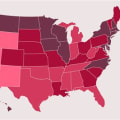
For instance, cyclists must adhere to the same traffic signals as motor vehicles, and pedestrians have specific rights and responsibilities when crossing streets. Failing to recognize this can lead to dangerous situations. Additionally, some people believe that traffic laws are uniform across all states. However, each state has its own set of regulations that may differ significantly. For example, speed limits, DUI laws, and seatbelt requirements can vary from one state to another.
It is essential for drivers to familiarize themselves with the specific traffic laws of the states they are traveling through. Lastly, there is a misconception that traffic enforcement is solely about generating revenue for local governments. While fines do contribute to municipal budgets, the primary purpose of enforcing traffic laws is to enhance public safety. Law enforcement agencies aim to deter reckless behavior and reduce accidents by ensuring compliance with established regulations. By addressing these misconceptions about traffic laws, we can foster a better understanding of their importance and encourage responsible behavior on the roads.
The Role of Technology in Traffic Law Compliance
In recent years, the integration of technology into our daily lives has significantly transformed the landscape of traffic law compliance. From smart traffic systems to mobile applications, technology plays a crucial role in promoting safe driving behaviors and ensuring adherence to traffic regulations.Smart Traffic Systems
- Adaptive Traffic Signals: These systems adjust signal timings based on real-time traffic conditions, reducing congestion and minimizing the likelihood of accidents caused by impatient drivers.
- Automated License Plate Recognition: Law enforcement agencies utilize this technology to monitor compliance with traffic laws, such as identifying vehicles with expired registrations or outstanding fines.
- Traffic Cameras: Surveillance cameras at intersections help enforce traffic laws by capturing violations like running red lights or speeding, thereby deterring reckless driving behavior.
The Impact of Mobile Applications
Mobile applications have also emerged as powerful tools for enhancing traffic law compliance.
Apps that provide real-time traffic updates, navigation assistance, and reminders about speed limits encourage drivers to stay informed and make safer choices on the road. For instance:
- Navigation Apps: Many navigation apps now include features that alert users to speed limits and potential hazards, helping them adhere to traffic laws.
- Safe Driving Apps: Some applications reward users for maintaining safe driving habits, such as avoiding hard braking or rapid acceleration, thus promoting responsible behavior behind the wheel.
Future Trends in Traffic Laws
As technology continues to advance, the future of traffic laws is poised for significant transformation. One of the most pressing factors influencing this evolution is the rise of autonomous vehicles.These self-driving cars are not only changing how we think about transportation but also challenging existing traffic regulations.Currently, traffic laws are designed with human drivers in mind. However, as autonomous vehicles become more prevalent, there will be a need for new regulations that address their unique operational characteristics. For instance, how should traffic laws govern the interaction between human-driven and autonomous vehicles? This question will likely lead to a reevaluation of existing rules to ensure safety and efficiency on the roads.
Adapting to New Technologies
In addition to autonomous vehicles, other technological advancements such as smart traffic signals and vehicle-to-vehicle communication systems will necessitate updates to traffic law. These innovations can improve traffic flow and reduce accidents, but they also require a legal framework that supports their implementation.Future regulations may include:
- Data privacy laws concerning the information collected by smart vehicles.
- Liability frameworks that clarify responsibility in accidents involving autonomous technology.
- Standards for vehicle communication to ensure interoperability among different manufacturers.
- New licensing requirements for operators of shared mobility services.
- Zoning laws that dictate where these services can operate.
- Incentives for using public transportation, aimed at reducing road congestion.
FAQs About Traffic Laws
Understanding traffic laws can be complex, and many people have questions about their purpose and application.Here are some frequently asked questions that can help clarify common concerns regarding traffic regulations.
- What are the main purposes of traffic laws?
Traffic laws are designed to ensure the safety of all road users, including drivers, passengers, pedestrians, and cyclists. They help regulate vehicle operation, establish right-of-way rules, and set speed limits to minimize accidents and injuries. - How do traffic laws vary by state?
While there are federal guidelines, each state has the authority to create its own traffic laws. This means that regulations can differ significantly from one state to another, affecting everything from speed limits to DUI penalties. - What happens if I violate a traffic law?
Violating a traffic law can result in various consequences, including fines, points on your driving record, or even license suspension. Serious violations may lead to criminal charges. - Are traffic laws enforced equally?
Enforcement of traffic regulations can vary based on location and law enforcement priorities.Some areas may have stricter enforcement due to higher accident rates or community concerns.
- Can traffic laws change?
Yes, traffic laws can change over time. Legislators may update laws in response to new safety data, technological advancements (like autonomous vehicles), or public demand for safer roads.
Conclusion: The Essential Role of Traffic Laws in Society
In conclusion, traffic laws serve as the backbone of road safety and order, playing a crucial role in maintaining a harmonious relationship between drivers, pedestrians, and cyclists. These laws are not merely regulations; they are essential guidelines designed to protect lives and prevent accidents. Throughout this article, we have explored several key aspects of traffic law, including:- Safety Measures: Traffic laws establish rules that help minimize risks on the road, such as speed limits and right-of-way regulations.
- Behavioral Standards: They set expectations for driver behavior, promoting responsible actions like using turn signals and obeying traffic signals.
- Legal Framework: Traffic laws provide a legal basis for enforcing penalties against violations, ensuring accountability among road users.
- Public Awareness: Understanding these laws fosters a culture of safety and respect on the roads, encouraging individuals to be more vigilant.
Each time we get behind the wheel or cross the street, we have the opportunity to make choices that reflect our commitment to safety and responsibility. Ultimately, a society that respects and understands traffic law is one that prioritizes the well-being of its members. As we navigate our daily lives, let us remember that every action on the road has consequences, and by upholding these laws, we can significantly reduce the risk of accidents and save lives.