Traffic laws are a set of regulations established to govern the movement of vehicles and pedestrians on roadways. These laws are designed not only to facilitate the smooth flow of traffic but also to ensure the safety of all road users. By adhering to traffic laws, drivers, cyclists, and pedestrians contribute to a safer environment, reducing the likelihood of accidents and injuries. The importance of these laws cannot be overstated; they serve as the backbone of road safety initiatives and public awareness campaigns aimed at educating individuals about responsible behavior on the road. When individuals choose to ignore or violate traffic laws, the consequences can be severe, affecting not just the violator but also innocent bystanders.
From minor infractions like speeding or running a red light to more serious offenses such as driving under the influence, each violation carries potential repercussions that can lead to legal penalties, financial burdens, and even loss of life. Understanding these consequences is crucial for fostering a culture of compliance and respect for the rules that govern our roads. As we delve deeper into this topic, it becomes essential to recognize that traffic laws are not merely suggestions; they are vital components of a structured system aimed at protecting everyone who shares the road. By exploring the ramifications of breaking these laws, we can better appreciate their significance and advocate for safer driving practices within our communities.
Types of Traffic Laws
Traffic laws are essential regulations designed to ensure the safety and efficiency of roadways. Understanding the different types of traffic laws is crucial for all drivers, as it helps them navigate the roads responsibly and avoid legal repercussions.- Speed Limits: One of the most common types of traffic regulations, speed limits dictate how fast vehicles can travel on various types of roads.
These limits vary based on location, such as residential areas, highways, and school zones. Exceeding these limits can lead to fines, points on a driver’s license, or even more severe penalties in case of accidents.
- DUI Laws: Driving under the influence (DUI) laws are strictly enforced across the United States. These laws prohibit operating a vehicle while impaired by alcohol or drugs. The consequences of violating DUI laws can include hefty fines, license suspension, mandatory alcohol education programs, and even imprisonment.
- Seatbelt Regulations: Most states have laws requiring all vehicle occupants to wear seatbelts.
These regulations aim to reduce injuries and fatalities in accidents. Failing to wear a seatbelt can result in fines and may also affect liability in the event of an accident.
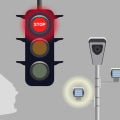
- Traffic Signals and Signs: Adhering to traffic signals and signs is another critical aspect of traffic law. Running red lights or ignoring stop signs can lead to serious accidents and legal consequences, including fines and points on a driving record.
Legal Consequences of Breaking Traffic Laws
Breaking traffic laws can lead to a variety of legal consequences that vary depending on the severity of the violation.Understanding these repercussions is crucial for all drivers to maintain safe driving practices and avoid unnecessary penalties.One of the most common consequences of violating traffic laws is the imposition of fines. These fines can range from minor amounts for simple infractions, such as failing to signal, to substantial penalties for more serious offenses like speeding in a school zone or driving under the influence (DUI). In many jurisdictions, fines are tiered based on the nature of the violation:
- Minor Violations: Typically result in lower fines, often around $50 to $150.
- Moderate Violations: Can incur fines ranging from $150 to $500, such as running a red light.
- Severe Violations: Serious offenses like DUI can lead to fines exceeding $1,000.
- License Suspension: A temporary loss of driving privileges.
- Increased Insurance Rates: Insurance companies may raise premiums based on a driver’s record.
For instance, offenses such as reckless driving or DUI may not only result in hefty fines but also carry potential jail time. Criminal charges can have long-lasting effects on an individual’s life, including:
- A Criminal Record: This can impact employment opportunities and travel.
- Mandatory Court Appearances: Drivers may be required to attend court hearings.
Financial Implications of Traffic Violations
Breaking traffic laws can lead to significant financial consequences that extend beyond the immediate cost of a ticket.Understanding these implications is crucial for drivers who wish to maintain their financial stability.One of the most immediate financial impacts of a traffic violation is the cost of traffic tickets. Depending on the severity of the offense, fines can range from minor amounts for simple infractions to several hundred dollars for more serious violations, such as DUI or reckless driving. In addition to the ticket itself, there may be additional court fees and costs associated with legal representation if you choose to contest the ticket.Moreover, receiving a traffic violation can lead to increased insurance rates. Insurance companies often view traffic violations as indicators of risky behavior.
As a result, a single infraction can cause your premiums to rise significantly. According to various studies, drivers with a history of violations may see their rates increase by 20% to 50%, depending on the nature of the offense and their previous driving record. This increase can last for several years, compounding the financial burden.In some cases, repeated violations can lead to more severe consequences, such as license suspension or revocation. Losing your driving privileges can result in lost income, especially for those who rely on their vehicles for commuting to work.
The inability to drive may force individuals to seek alternative transportation methods, which can be both inconvenient and costly.In summary, the financial implications of breaking traffic laws are multifaceted. From the direct costs of tickets and fines to the long-term effects on insurance premiums and potential loss of income, it is essential for drivers to be aware of these risks. Adhering to traffic laws not only promotes safety but also helps maintain financial health.
Impact on Driving Privileges
Breaking traffic laws can have significant repercussions on an individual's driving privileges. One of the most immediate consequences is the potential for license suspension or even revocation, depending on the severity and frequency of the violations.When a driver accumulates a certain number of points on their driving record due to infractions such as speeding, running red lights, or driving under the influence, they may face administrative penalties.These penalties can vary by state but often include:
- Temporary License Suspension: A driver may lose their license for a specified period, which can range from a few months to several years.
- Mandatory Traffic School: In some cases, offenders may be required to attend traffic school to regain their driving privileges.
- Increased Insurance Rates: Violations can lead to higher premiums as insurance companies assess the risk associated with insuring a driver with a poor record.
- Job Loss: Many jobs require reliable transportation; losing a license can jeopardize employment opportunities.
- Financial Strain: The costs associated with public transportation or alternative travel arrangements can add up quickly.
- Social Isolation: Without the ability to drive, individuals may find it challenging to maintain social connections and participate in community activities.
Consequences for Public Safety and Community Impact
Breaking traffic laws has profound implications for public safety and the overall well-being of communities.When individuals disregard these laws, they not only endanger themselves but also put other road users at risk. The consequences of such violations can be severe, leading to accidents that result in injuries or fatalities.
Traffic violations
such as speeding, running red lights, and driving under the influence are among the most common offenses that contribute to road accidents. According to the National Highway Traffic Safety Administration (NHTSA), a significant percentage of traffic-related deaths are linked to these reckless behaviors. Each year, thousands of lives are lost due to preventable accidents caused by drivers who choose to ignore established traffic laws.Impact on Community Well-Being
The ramifications of traffic law violations extend beyond individual incidents; they ripple through communities.High accident rates can lead to increased insurance premiums for residents, strain on local emergency services, and a general sense of insecurity among citizens. Communities with a high incidence of traffic violations often experience:
- Increased healthcare costs: Hospitals and clinics bear the financial burden of treating accident victims, which can lead to higher healthcare costs for everyone.
- Decreased property values: Areas known for frequent accidents may see a decline in property values as potential buyers become wary of safety issues.
- Strain on law enforcement: Police departments may need to allocate more resources to traffic enforcement, diverting attention from other critical community issues.
It is crucial for all road users to adhere to these laws to foster a safer environment for everyone.
Frequently Asked Questions About Traffic Law Violations
Understanding the implications of traffic law violations is crucial for every driver. Here are some frequently asked questions that can shed light on this topic:- What are the common consequences of breaking traffic laws?
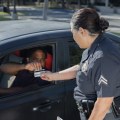
Breaking traffic laws can lead to a variety of consequences, including fines, points on your driving record, and even license suspension. In severe cases, it may result in jail time, especially for offenses like DUI or reckless driving. - How do traffic violations affect insurance rates?
Insurance companies often review your driving record when determining your premiums. A history of traffic law violations can lead to increased rates, as insurers view you as a higher risk.Some violations may even result in the cancellation of your policy.
- Can I contest a traffic ticket?
Yes, you have the right to contest a traffic ticket. You can appear in court to present your case, and if successful, you may avoid penalties associated with the violation. - What happens if I ignore a traffic ticket?
Ignoring a traffic ticket can lead to additional fines, a warrant for your arrest, or even a suspended license. It’s essential to address any tickets promptly to avoid escalating consequences. - Are there different penalties for different types of violations?
Yes, penalties vary based on the severity of the violation. Minor infractions like speeding may result in fines and points, while serious offenses such as driving under the influence can lead to harsher penalties including imprisonment.
Conclusion: The Importance of Adhering to Traffic Laws
In conclusion, adhering to traffic laws is not merely a matter of legal obligation; it is a fundamental aspect of ensuring personal safety and the well-being of the community.The consequences of breaking these laws can be severe, ranging from financial penalties to life-altering accidents. By understanding the implications of traffic violations, we can better appreciate the necessity of following established regulations.
Key Points to Remember:
- Legal Consequences: Violating traffic laws can lead to fines, points on your driving record, and even license suspension.
- Safety Risks: Disregarding traffic signals or speeding increases the likelihood of accidents, endangering not only the driver but also passengers and pedestrians.
- Community Impact: Traffic violations contribute to congestion and can strain emergency services, affecting overall community safety.
It is essential to remain vigilant and informed about the rules of the road, as they are designed not only to protect us but also to foster a culture of respect and responsibility among all road users.