Understanding traffic law is essential for every driver, as it encompasses the regulations designed to ensure safety on the roads. Among these regulations, vehicle safety plays a crucial role in preventing accidents and protecting both drivers and pedestrians. One common issue that many drivers face is a cracked windshield, which can significantly impair visibility and increase the risk of collisions. As such, it is vital to recognize how traffic laws address this concern and the potential consequences of neglecting vehicle maintenance. Driving with a compromised windshield not only poses a danger to the driver but also to others on the road.
Vehicle safety is not merely a personal responsibility; it is a legal obligation that reflects a commitment to public safety. Traffic laws are in place to regulate vehicle conditions, ensuring that all vehicles on the road meet specific safety standards. This includes maintaining clear visibility through windshields, which are critical for safe driving. As we delve deeper into the implications of driving with a cracked windshield, it becomes clear that understanding the associated penalties is crucial for every motorist. Ignoring these regulations can lead to fines, points on your driving record, and even more severe repercussions in the event of an accident.
By familiarizing yourself with these laws, you can better appreciate the importance of maintaining your vehicle in optimal condition and avoid unnecessary legal troubles.
What Constitutes a Cracked Windshield?
A cracked windshield refers to any damage to the glass of a vehicle's front window that compromises its structural integrity or visibility. This damage can manifest in various forms, each with different implications for safety and legality.Types of Windshield Damage
- Star Break: A small crack that resembles a star, typically caused by a small object striking the glass.
- Chip: A minor indentation in the glass, often not extending beyond the surface layer.
- Crack: A linear fracture that can vary in length and depth, potentially obstructing the driver's view.
- Edge Crack: A crack that starts at the edge of the windshield, which can spread if not addressed promptly.
- Full Break: A severe form of damage where the windshield is shattered or significantly compromised.
Not only does it help in maintaining safety on the road, but it also ensures that drivers avoid potential penalties associated with driving a vehicle that does not meet legal standards. Regular checks and timely repairs can prevent minor issues from escalating into significant legal problems.
Traffic Laws Regarding Windshield Damage
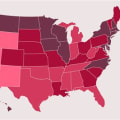
Understanding traffic laws regarding windshield damage is crucial for drivers, as regulations can vary significantly from state to state. Many states have specific laws that address the condition of a vehicle's windshield, primarily focusing on safety and visibility.In general, a cracked windshield can lead to penalties if it obstructs the driver's view or poses a safety hazard. Here are some key points regarding state regulations:- California: In California, a cracked windshield is considered a violation if it impairs the driver's ability to see.
Law enforcement may issue a citation, and drivers could face fines.
- Texas: Texas law mandates that windshields must be free of obstructions. A crack that affects the driver's line of sight can result in a traffic stop and potential fines.
- Florida: Florida has strict regulations regarding windshield damage. If a crack is larger than a specified size or located in the driver's line of sight, it may lead to penalties.
- New York: In New York, driving with a cracked windshield can result in a ticket if the damage is deemed hazardous. The law emphasizes maintaining vehicle safety standards.
A clear and intact windshield is essential for safe driving, as it ensures maximum visibility and reduces the risk of accidents. States implement these regulations not only to protect individual drivers but also to enhance overall road safety.In addition to fines, repeated violations may lead to more severe consequences, such as points on the driver’s license or increased insurance premiums. Therefore, it is advisable for drivers to regularly inspect their windshields and address any damage promptly to avoid legal repercussions.
Penalties for Driving with a Cracked Windshield
Driving with a cracked windshield can lead to various penalties under traffic law, which vary by state and local jurisdiction. Understanding these potential consequences is crucial for drivers to avoid unexpected legal issues.Fines and Fees
- In many states, driving with a cracked windshield is considered a traffic violation.
Fines can range from $50 to $250, depending on the severity of the crack and local laws.
- Some jurisdictions may impose additional fees if the violation is not addressed within a specified timeframe.
Points on Your License
- In addition to fines, drivers may also incur points on their driving record. Accumulating too many points can lead to increased insurance premiums and even license suspension.
- The number of points assigned for a cracked windshield varies by state; typically, it ranges from 1 to 3 points.
Legal Repercussions
- If a driver is involved in an accident while operating a vehicle with a cracked windshield, they may face more severe legal consequences. This could include liability for damages or injuries sustained during the incident.
- In some cases, law enforcement may issue a citation for unsafe driving if the crack obstructs the driver's view, leading to more serious charges.
Factors Influencing Penalties
When it comes to traffic law, the penalties for driving with a cracked windshield can vary significantly based on several factors.Understanding these factors can help drivers navigate potential legal repercussions more effectively.
- Severity of Damage: The extent of the crack plays a crucial role in determining penalties. A small, minor crack that does not obstruct the driver’s view may result in a warning or a minimal fine. However, if the crack is large or located in the driver’s line of sight, it can be deemed a serious safety hazard, leading to harsher penalties.
- Previous Violations: A driver’s history of traffic violations can also influence the severity of penalties. For individuals with a clean driving record, law enforcement may be more lenient, opting for a warning instead of a citation.
Conversely, repeat offenders or those with multiple traffic violations may face increased fines and stricter consequences.
- State Regulations: Different states have varying laws regarding vehicle safety and maintenance. Some states may impose stricter regulations on windshield conditions, while others might be more lenient. Familiarizing oneself with local traffic laws is essential to understand potential penalties.
- Time of Day and Conditions: The circumstances under which a driver is pulled over can also affect penalties. For instance, driving at night or in adverse weather conditions with a cracked windshield may lead to more severe consequences due to increased risk factors.
Factors such as the severity of the damage, previous violations, state regulations, and situational context all play significant roles in determining the outcome. Being aware of these elements can help drivers make informed decisions and potentially mitigate penalties.
How to Address a Cracked Windshield Legally
Addressing a cracked windshield legally is crucial to avoid potential traffic law penalties. Ignoring a crack can lead to fines, increased insurance rates, and even accidents. Here are some steps to ensure you handle the situation appropriately.Repair Options
When it comes to fixing a cracked windshield, you have several options:- DIY Repair Kits: For small cracks or chips, consider using a DIY repair kit available at auto parts stores.
These kits typically include resin that can fill the crack and restore visibility.
- Professional Repair Services: If the damage is more extensive, it’s advisable to seek professional help. Many auto glass repair shops can fix cracks quickly and efficiently, often within an hour.
- Replacement: In cases where the crack compromises the structural integrity of the windshield, a full replacement may be necessary. This is especially true for cracks larger than three inches or those that obstruct the driver’s view.
Legal Advice
If you’re unsure about the legal implications of driving with a cracked windshield in your state, seeking legal advice can be beneficial. A traffic attorney can provide insights into local laws and help you understand:- The specific regulations regarding windshield damage in your area.
- The potential penalties for driving with a cracked windshield.
- Your rights as a driver if you receive a citation.
Whether you choose to repair it yourself or consult professionals, taking action is essential to avoid legal repercussions.
Frequently Asked Questions about Cracked Windshields and Traffic Law
When it comes to cracked windshields and traffic law, many drivers have questions about the implications of driving with a damaged windshield. Here are some frequently asked questions that can help clarify this issue.What are the legal consequences of driving with a cracked windshield?
The legal consequences can vary by state, but generally, driving with a cracked windshield may lead to a traffic citation. In some jurisdictions, if the crack obstructs the driver's view, it can be considered a violation of traffic laws. This could result in fines or points on your driving record.Can I be pulled over for a cracked windshield?
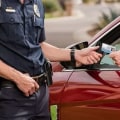
Yes, law enforcement officers have the discretion to pull you over if they observe that your windshield is significantly cracked or damaged.If they believe it poses a safety risk, they may issue a citation.
Is there a specific size of crack that is considered illegal?
Many states do not specify an exact size for cracks that are deemed illegal; instead, they focus on whether the crack obstructs the driver's view. However, some states may have regulations regarding cracks in specific areas of the windshield, such as the driver's side.What should I do if I receive a ticket for a cracked windshield?
- Review the citation: Check the details of the ticket to understand the violation.
- Consider repair: If possible, repair your windshield promptly to avoid further legal issues.
- Seek legal advice: If you believe the ticket was unjustified, consult with a traffic attorney for guidance on how to proceed.
Conclusion: The Importance of Vehicle Safety Compliance
In conclusion, understanding the penalties associated with driving a vehicle that has a cracked windshield is crucial for all drivers. Not only can such a condition lead to fines and legal repercussions, but it also poses significant safety risks.A compromised windshield can impair visibility, making it difficult to react to sudden changes in traffic conditions.Throughout this article, we have explored various aspects of traffic law as it pertains to vehicle safety. Here are some key takeaways:
- Legal Requirements: Many states have specific laws regarding the condition of windshields and other vehicle components. Familiarizing yourself with these regulations can help you avoid unnecessary penalties.
- Safety Risks: A cracked windshield can distract drivers and reduce the structural integrity of the vehicle during an accident, increasing the likelihood of injury.
- Financial Implications: Beyond fines, driving with a cracked windshield can lead to increased insurance premiums and repair costs if an accident occurs due to impaired visibility.
By taking proactive steps to maintain your vehicle's safety features, you contribute to a safer driving environment for everyone.In summary, adhering to traffic laws regarding vehicle safety is essential. It protects you from legal consequences and enhances overall road safety. Make it a habit to inspect your vehicle regularly and address any issues promptly to stay compliant and safe on the road.