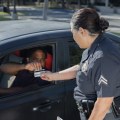
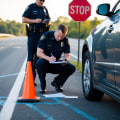
Traffic laws are essential regulations designed to ensure the safety and order of our roadways. Among these laws, the rules governing red lights and stop signs are critical, as they directly impact the flow of traffic and the safety of all road users. Understanding the penalties associated with violating these laws is crucial for every driver, as it not only affects their legal standing but also their financial well-being and driving record. When a driver runs a red light or fails to stop at a stop sign, they are not just breaking the law; they are putting themselves and others at significant risk. These actions can lead to severe accidents, injuries, and even fatalities.
Consequently, traffic law enforcement agencies impose strict penalties to deter such behavior. These penalties can vary widely depending on the state or municipality, but they often include hefty fines, points on the driver's license, and in some cases, mandatory traffic school. Moreover, understanding the implications of these penalties is vital for fostering responsible driving habits. By recognizing that running a red light or ignoring a stop sign can lead to serious legal consequences, drivers may be more inclined to adhere to traffic laws. This awareness not only promotes safer driving practices but also contributes to a culture of respect for the rules that govern our roads.
Overview of Traffic Laws in the United States
Traffic laws in the United States are designed to ensure the safety and efficiency of roadways.These laws govern a wide range of driving behaviors, including speed limits, right-of-way rules, and the consequences of running a red light or stop sign. While there are federal guidelines, traffic regulations can vary significantly from state to state, reflecting local conditions and priorities.
Understanding Traffic Regulations
Each state has its own set of traffic laws that dictate how drivers should behave on the road. For instance, some states may have stricter penalties for running a red light compared to others. Generally, traffic laws are enforced by local law enforcement agencies, and violations can lead to fines, points on a driver’s license, or even criminal charges in severe cases.Common Traffic Violations
- Running a Red Light: This is one of the most common traffic violations.
Penalties can include hefty fines and points on your driving record.
- Failing to Stop at a Stop Sign: Similar to running a red light, this violation can result in fines and points.
- Speeding: Exceeding the speed limit is another frequent infraction that can lead to various penalties.
The Importance of Compliance
Adhering to traffic regulations not only helps avoid legal repercussions but also promotes road safety for all users. Understanding the nuances of traffic laws in your state can significantly reduce the risk of accidents and enhance overall driving experience.What Happens When You Run a Red Light?
Running a red light is a serious traffic violation that can lead to significant consequences. The penalties for this infraction vary by state, but they generally include a combination of fines, points on your driver's license, and potential legal repercussions.- Fines: The most immediate consequence of running a red light is typically a monetary fine.
Depending on the jurisdiction, fines can range from $50 to $500 or more. In some areas, the fine may increase if the violation results in an accident or injury.
- Points on Your License: In addition to fines, running a red light usually results in points being added to your driving record. Most states assign 2 to 4 points for this violation. Accumulating too many points can lead to increased insurance premiums and even license suspension.
- Traffic School: In some cases, offenders may be required to attend traffic school as part of their penalty.
Completing a traffic school program can sometimes help reduce points on your license or lower your fine.
- Legal Repercussions: If running a red light leads to an accident, the legal consequences can escalate significantly. You may face civil liability for damages and injuries caused to others, and in severe cases, criminal charges could be filed if reckless driving is involved.
The Penalties for Ignoring Stop Signs
Failing to stop at a stop sign is a serious violation of traffic law that can lead to significant penalties.Understanding these consequences is crucial for all drivers to ensure safety on the roads.When a driver ignores a stop sign, they may face various penalties, which can vary by state. Common repercussions include:
- Fines: Most states impose monetary fines for running a stop sign. These fines can range from $50 to several hundred dollars, depending on the jurisdiction and whether it is a repeat offense.
- Points on Driving Record: In many states, ignoring a stop sign results in points being added to the driver’s record. Accumulating too many points can lead to increased insurance rates and even license suspension.
- Traffic School: Some jurisdictions may require offenders to attend traffic school as part of their penalty.
This can help educate drivers about safe driving practices and potentially reduce points on their record.
- Increased Insurance Premiums: A traffic violation like running a stop sign can lead to higher insurance premiums, as insurers view it as an indicator of risky behavior.
Factors Influencing Penalties for Traffic Violations
When it comes to traffic law, the penalties for running a red light or stop sign can vary significantly based on several factors.Understanding these factors can help drivers navigate the complexities of traffic violations and their consequences.
Location of the Violation
The location where the violation occurs plays a crucial role in determining the penalty. Urban areas often have stricter enforcement and higher fines compared to rural locations. For instance, running a red light in a busy city may result in a heftier fine and points on your license than the same offense committed in a less populated area.Prior Offenses
A driver’s history of traffic violations is another significant factor. Individuals with multiple prior offenses may face increased penalties, including higher fines and longer license suspensions.In some states, habitual offenders may even be required to attend traffic school or undergo additional driving assessments.
Accidents Involved
If running a red light or stop sign results in an accident, the penalties can escalate dramatically. Not only could the driver face fines and points on their license, but they may also be held liable for damages and injuries caused to others. In such cases, criminal charges could be filed, leading to more severe legal repercussions.State Laws and Regulations
Each state has its own set of laws governing traffic violations, which can lead to variations in penalties. For example, some states may impose mandatory minimum fines for running a red light, while others allow judges discretion in sentencing.Additionally, certain jurisdictions may have specific programs aimed at reducing traffic violations that could influence penalties.In summary, understanding the various factors influencing penalties for running red lights or stop signs is essential for drivers. By being aware of how location, prior offenses, accidents, and state laws can affect outcomes, individuals can make more informed decisions on the road.
Common Myths About Traffic Law Penalties
When it comes to traffic law penalties, there are numerous myths and misconceptions that can lead to confusion among drivers. Understanding the truth behind these myths is essential for anyone wanting to navigate the roads safely and legally.- Myth 1: All traffic violations result in a criminal record. Many people believe that receiving a ticket for running a red light or stop sign will lead to a criminal record. In reality, most traffic violations are classified as infractions, not crimes.
While they can result in fines and points on your driving record, they typically do not carry the same consequences as criminal offenses.
- Myth 2: You can always fight a traffic ticket. While it is true that you have the right to contest a ticket, not all cases are winnable. Factors such as the evidence against you, the circumstances of the violation, and local laws play significant roles in determining the outcome. It’s important to assess your situation realistically before deciding to fight a ticket.
- Myth 3: Traffic law penalties are the same everywhere. Traffic laws and their associated penalties can vary significantly from state to state. For instance, some states may impose harsher fines or more points for running a red light compared to others.
Always check your local laws to understand the specific penalties you may face.
- Myth 4: Ignoring a ticket will make it go away. Some drivers believe that if they ignore a traffic ticket, it will simply disappear. This is far from the truth; ignoring a ticket can lead to increased fines, additional penalties, or even a warrant for your arrest in severe cases.
Frequently Asked Questions About Traffic Law Penalties
Understanding the penalties associated with traffic law violations, particularly for running a red light or stop sign, is crucial for all drivers. Here are some frequently asked questions regarding these penalties:- What are the typical penalties for running a red light?
The penalties can vary by state, but generally, they include fines ranging from $50 to $500, points on your driving record, and potential increases in insurance premiums.In some cases, you may also be required to attend traffic school.
- How does a stop sign violation differ from a red light violation?
While both violations are serious, running a stop sign typically incurs lower fines and points compared to running a red light. However, the exact penalties depend on local laws. - Can I contest a red light or stop sign ticket?
Yes, you can contest a ticket in court. It’s advisable to gather evidence such as photographs or witness statements that support your case. - What happens if I accumulate too many points on my driving record?
Accumulating too many points can lead to license suspension or revocation. Each state has its own point system, so it’s important to be aware of your state’s regulations. - Are there any defenses against red light or stop sign tickets?
Possible defenses include proving that the traffic signal was malfunctioning or that you were forced to run the light due to an emergency situation.
Always remember that safety should be your top priority on the road.
Conclusion: The Importance of Adhering to Traffic Laws
In conclusion, understanding the penalties associated with running a red light or stop sign is crucial for every driver. These traffic laws are not merely suggestions; they are essential regulations designed to protect all road users. Ignoring these laws can lead to severe consequences, including hefty fines, points on your driving record, and even increased insurance premiums.Moreover, the implications of disregarding traffic signals extend beyond personal penalties. The potential for causing accidents increases significantly when drivers fail to adhere to these rules.According to statistics, a substantial percentage of traffic collisions result from violations of traffic laws, particularly those involving red lights and stop signs. This not only endangers the lives of the offending driver but also puts passengers, pedestrians, and other motorists at risk.To emphasize the importance of compliance, consider the following:
- Safety First: Following traffic laws ensures a safer driving environment for everyone.
- Avoiding Legal Consequences: Understanding the penalties can help drivers make informed decisions on the road.
- Promoting Responsible Driving: Adhering to traffic laws fosters a culture of responsibility among drivers.