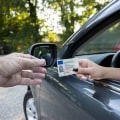
Understanding handicap parking regulations is crucial for both drivers and the community at large. These laws are designed to ensure that individuals with disabilities have access to safe and convenient parking options. When a vehicle is parked in a designated handicap spot without a valid permit, it not only violates traffic law but also undermines the rights of those who genuinely need these spaces. The importance of adhering to these regulations cannot be overstated, as they play a vital role in promoting accessibility and inclusivity. Parking violations related to handicap spaces can lead to serious consequences.
Many states impose hefty fines and penalties for illegal parking in these designated areas. In addition to financial repercussions, offenders may also face other legal implications, such as points on their driving record or even towing of their vehicle. Understanding the potential consequences of illegal parking is essential for all drivers, as it highlights the importance of respecting traffic laws that protect vulnerable members of our society. As we delve deeper into the specifics of handicap parking laws, it becomes evident that compliance is not just a matter of legality but also a reflection of our societal values. By respecting these regulations, we contribute to a more equitable environment where everyone has the opportunity to navigate public spaces with dignity and ease.
In the following sections, we will explore the penalties associated with parking in a handicap spot without a valid permit, shedding light on why adherence to these laws is imperative.
Overview of Traffic Laws Related to Handicap Parking
Understanding traffic laws related to handicap parking is crucial for both drivers and individuals with disabilities. These laws are designed to ensure that designated parking spaces are available for those who genuinely need them, promoting accessibility and safety.In the United States, handicap parking regulations vary by state, but there are common elements that most jurisdictions share. Typically, a person must have a qualifying disability to obtain a handicap parking permit. This may include conditions that significantly impair mobility, such as severe arthritis, paralysis, or other medical conditions that limit a person's ability to walk.To qualify for a handicap permit, individuals usually need to provide documentation from a healthcare provider confirming their disability.Once approved, they receive a permit that must be displayed prominently in their vehicle when parked in designated handicap spaces.
- Purpose of Handicap Parking Regulations: The primary goal of these regulations is to ensure that individuals with disabilities have access to parking spaces that are closer to building entrances and other facilities.
- Legal Requirements: Most states require that handicap parking spots be clearly marked with the international symbol of accessibility and have specific dimensions to accommodate wheelchair users.
- Enforcement: Local law enforcement agencies are responsible for enforcing these laws, and violations can result in significant penalties.
Penalties for Parking in a Handicap Spot Without a Permit
Parking in a handicap spot without a valid permit is a serious violation of traffic law that can lead to significant penalties. The consequences vary by state and municipality, but they generally include hefty fines and other repercussions.Fines for Handicap Parking Violations
- The fines for parking in a handicap space without a permit typically range from $250 to $1,000, depending on local laws.
- In some jurisdictions, repeat offenders may face increased fines or additional penalties.
Towing and Impoundment
- In addition to fines, vehicles parked illegally in handicap spots are often subject to towing. This can result in additional fees for towing and storage.
- Recovering a towed vehicle may require payment of both the fine and the towing fees, which can add up quickly.
Legal Repercussions
- In some cases, individuals caught parking illegally may also face court appearances, especially if they contest the ticket.
- Accumulating multiple violations can lead to more severe penalties, including potential community service or mandatory traffic school.
By adhering to traffic laws, we contribute to a more accessible environment for everyone.
Variations in Penalties by State
The penalties for parking in a handicap spot without a valid permit can vary significantly across the United States, reflecting the diverse traffic laws that govern such violations. Each state has its own regulations and fines, which can lead to confusion for drivers who may not be aware of the specific laws in their area.State-Specific Examples:
- California: In California, the fine for parking in a handicap space without a permit can reach up to $1,000. Additionally, violators may face points on their driving record.
- Texas: Texas imposes a fine ranging from $500 to $1,000 for unauthorized use of a handicap parking space. The state also allows local municipalities to set their own penalties, which can sometimes be higher.
- Florida: In Florida, the penalty for this violation is typically around $250.
However, repeat offenders may face increased fines and potential towing of their vehicle.
- New York: New York has strict enforcement, with fines starting at $50 and going up to $200 for repeated offenses. Additionally, vehicles parked illegally in these spaces may be towed at the owner's expense.
Understanding these variations is crucial for all drivers to promote respect for handicap parking spaces and support individuals who rely on them.
Common Myths About Handicap Parking Violations
When it comes to handicap parking violations, there are several myths and misconceptions that can lead to confusion among drivers. Understanding the truth behind these myths is essential for compliance with traffic law and for promoting respect for individuals with disabilities.- Myth 1: Handicap permits are only for those who are permanently disabled.
Many people believe that only individuals with permanent disabilities can obtain a handicap permit. In reality, temporary disabilities, such as those resulting from surgery or injury, also qualify for a permit. This means that anyone who has a valid reason can apply for and receive a handicap parking permit. - Myth 2: You can park in a handicap spot if you have a family member with a permit.
A common misunderstanding is that drivers can use a family member's handicap permit when parking.However, most states require that the permit be displayed only when the individual with the disability is present in the vehicle. Using someone else's permit without them in the car is illegal and can result in hefty fines.
- Myth 3: The penalties for parking in a handicap spot without a permit are minor.
Some believe that the consequences of parking illegally in a handicap space are not severe. This is far from the truth; penalties can include significant fines, points on your driving record, and even towing of the vehicle. The exact penalties vary by state, but they are designed to deter violations and protect the rights of individuals with disabilities. - Myth 4: Handicap parking spots are just suggestions.
Another misconception is that handicap parking spaces are optional or merely suggestions.In fact, these spaces are legally designated areas that must be respected under traffic law. Failing to comply can lead to legal repercussions and undermine the accessibility rights of those who genuinely need these spaces.
How to Report Illegal Parking in Handicap Spots
Reporting illegal parking in handicap spots is crucial for maintaining accessibility and ensuring that those who genuinely need these spaces can use them. If you encounter a vehicle parked in a handicap spot without a valid permit, there are several steps you can take to report the violation.- Document the Violation: Before reporting, take note of the vehicle's license plate number, make, model, and color.
If possible, capture a photo of the vehicle parked in the handicap spot.
- Contact Local Authorities: Most cities have specific procedures for reporting illegal parking. You can typically report the violation to your local police department or parking enforcement agency. Many municipalities also offer online reporting options.
- Provide Detailed Information: When reporting, be prepared to provide all relevant details, including the location of the violation and any evidence you have collected. This information will help authorities take appropriate action.
By reporting illegal parking, you contribute to a culture of respect and accountability. It also sends a message that violations will not be tolerated, encouraging others to adhere to the law.In some areas, repeated violations may lead to fines or even towing of the offending vehicle. Understanding your local laws regarding handicap parking can empower you to take action effectively. Remember that while it’s important to report violations, it’s equally important to do so respectfully and responsibly.By actively participating in the enforcement of traffic laws, you help protect the rights of individuals with disabilities and promote a more inclusive community for everyone.
Frequently Asked Questions About Handicap Parking Violations
Parking in a handicap spot without a valid permit can lead to serious consequences.Here are some frequently asked questions regarding handicap parking violations and the associated penalties under traffic law.
- What is the typical penalty for parking in a handicap spot without a permit?
The penalties can vary by state, but generally, fines range from $250 to $1,000. In some jurisdictions, repeat offenders may face increased fines or additional penalties. - Can I receive points on my driving record for this violation?
In many states, parking violations do not result in points on your driving record. However, it’s essential to check local laws as regulations can differ. - Are there any additional consequences besides fines?
Yes, aside from monetary fines, you may also face community service requirements or even towing of your vehicle. Some states impose stricter penalties for repeated offenses. - How can I contest a handicap parking ticket?
If you believe the ticket was issued in error, you can contest it by following the procedures outlined on the ticket.This often involves providing evidence or attending a hearing.
- What should I do if I see someone illegally parked in a handicap spot?
You can report the violation to local law enforcement or parking authorities. Providing details such as the vehicle's license plate number and location can help authorities take action.
Conclusion: The Importance of Respecting Handicap Parking Laws
In conclusion, understanding the penalties associated with parking in a handicap spot without a valid permit is crucial for fostering a respectful and inclusive community. The consequences of violating traffic laws related to handicap parking are not merely financial; they reflect a broader societal obligation to support individuals with disabilities.When individuals park in designated handicap spaces without the appropriate permits, they not only face potential fines but also contribute to the challenges faced by those who genuinely need these accommodations.The penalties can vary significantly by state, but they often include:
- Fines: These can range from $250 to $1,000 or more, depending on local regulations.
- Towing: Vehicles parked illegally may be towed at the owner's expense, adding further financial burden.
- Points on Driving Record: In some jurisdictions, violations can lead to points being added to the driver's record, which may affect insurance rates.