Obtaining a driver's license in the United States is a crucial step for many individuals, as it not only grants the freedom to drive but also signifies a commitment to understanding and adhering to traffic laws. Each state has its own set of requirements and regulations, making it essential for prospective drivers to familiarize themselves with the specific rules that govern their area. This knowledge is vital, as it ensures that drivers can navigate the roads safely and responsibly.The process of acquiring a driver's license typically involves several key steps, including passing written tests on traffic laws, completing behind-the-wheel training, and demonstrating a clear understanding of safe driving practices. These requirements are designed to equip new drivers with the necessary skills and knowledge to handle various driving situations.
Moreover, understanding traffic laws is not just about passing tests; it is about fostering a culture of safety on the roads.As you embark on your journey to obtain a driver's license, it is important to recognize that this process is not merely a formality. It represents an opportunity to learn about the responsibilities that come with driving. By comprehensively understanding traffic laws, you can contribute to safer roadways for everyone. In this article, we will delve deeper into the specific requirements for obtaining a driver's license across different states, ensuring you are well-prepared for this important milestone.
General Eligibility Criteria for a Driver's License
Obtaining a driver's license in the United States requires meeting several general eligibility criteria.These criteria ensure that all drivers are capable of operating a vehicle safely and responsibly. Below are the primary requirements individuals must fulfill:
- Age Requirements: Most states require applicants to be at least 16 years old to apply for a learner's permit, while a full, unrestricted driver's license typically requires the individual to be at least 18 years old. Some states offer provisional licenses to those aged 17, allowing them to drive under certain conditions.
- Residency Requirements: Applicants must be residents of the state in which they are applying for a driver's license. This usually means providing proof of residency, such as a utility bill, lease agreement, or bank statement that includes the applicant's name and address.
- Identification Requirements: To apply for a driver's license, individuals must present valid identification.
This often includes a birth certificate or passport, along with a Social Security number. Some states may also require additional documentation, such as proof of legal presence in the U.S.
Types of Driver's Licenses Available in the U.S.
In the United States, there are several types of driver's licenses available, each designed to meet different needs and requirements. Understanding these types is crucial for anyone looking to drive legally and safely.Standard Driver's License
The most common type of license is the standard driver's license, which allows individuals to operate personal vehicles.To obtain this license, applicants typically must:
- Be at least 16 years old (varies by state)
- Pass a written knowledge test on traffic laws
- Complete a vision test
- Demonstrate driving skills during a road test
Learner's Permit
A learner's permit is often the first step for new drivers. It allows individuals to practice driving under certain restrictions, usually with a licensed adult in the vehicle. Requirements for obtaining a learner's permit generally include:- Being at least 15 or 16 years old (varies by state)
- Passing a written test on traffic laws
- Providing parental consent if under 18
Commercial Driver's License (CDL)
A commercial driver's license (CDL) is required for individuals who wish to operate large vehicles such as trucks and buses. The requirements for obtaining a CDL include:- Being at least 18 years old (21 for interstate driving)
- Holding a valid standard driver's license
- Passing both written and skills tests specific to commercial driving
is essential for compliance with traffic laws, ensuring safety on the roads, and meeting personal or professional driving needs.
The Application Process for a Driver's License
Obtaining a driver's license in the United States involves a systematic application process that varies slightly by state, but generally follows a similar framework. Here’s a step-by-step guide to help you navigate through the requirements.- Determine Eligibility: Before applying, ensure you meet the age requirements, which typically range from 16 to 18 years, depending on your state. Additionally, you must be a resident of the state where you are applying.
- Gather Required Documents: You will need to provide several documents, including:
- A valid form of identification (e.g., birth certificate or passport)
- Proof of residency (e.g., utility bill or lease agreement)
- Social Security number or proof of ineligibility
- Complete a Driver's Education Course: Many states require new drivers, especially those under 18, to complete a driver’s education course. This course covers essential traffic laws, safe driving practices, and may include both classroom instruction and behind-the-wheel training.
- Pass the Written Test: After completing your education course, you will need to pass a written test that assesses your knowledge of traffic laws and safe driving practices.
Study materials are often available through your state’s Department of Motor Vehicles (DMV) website.
- Schedule a Road Test: Once you pass the written test, you can schedule a road test. This practical exam evaluates your driving skills in real-world conditions. Be sure to practice beforehand and arrive with a properly registered vehicle.
- Pay Fees: There are usually fees associated with applying for and obtaining your driver's license. These can vary by state and may include application fees, testing fees, and license issuance fees.
- Receive Your License: Upon successful completion of all tests and payment of fees, you will receive your driver's license.
Some states issue temporary licenses until the official one arrives by mail.
Written and Vision Tests: What to Expect
Obtaining a driver's license in the United States involves passing both a written test and a vision test. These assessments are designed to ensure that new drivers understand traffic laws and can safely operate a vehicle.Written Test Requirements
The written test typically consists of multiple-choice questions that cover essential topics such as:- Traffic signs and their meanings
- Rules of the road, including right-of-way laws
- Safe driving practices, including speed limits and safe following distances
- Alcohol and drug laws related to driving
- Emergency procedures, such as what to do in case of an accident
Vision Test Requirements
The vision test is another critical component of obtaining your driver's license.This test assesses your ability to see clearly at various distances, which is vital for safe driving. Most states require you to:
- Read letters or numbers from a standardized eye chart
- Demonstrate peripheral vision capabilities
- Meet specific visual acuity standards, often 20/40 vision or better with or without corrective lenses
Behind-the-Wheel Driving Test: Preparation and Tips
Preparing for the behind-the-wheel driving test is a crucial step in obtaining your driver's license in the United States.This test evaluates your ability to operate a vehicle safely and adhere to traffic laws. Here are some essential tips and insights to help you succeed.
Understanding What Examiners Look For
During the driving test, examiners assess various skills, including:- Vehicle Control: Demonstrating smooth steering, braking, and acceleration.
- Traffic Law Compliance: Following all traffic signals, signs, and rules.
- Safety Practices: Using turn signals, checking mirrors, and maintaining a safe following distance.
- Handling Different Situations: Navigating intersections, merging onto highways, and responding to pedestrians.
Preparation Tips
To ensure you are well-prepared for the test, consider the following:- Practice Regularly: Spend ample time behind the wheel with a licensed driver. Focus on different driving conditions such as city streets, highways, and residential areas.
- Know Your Vehicle: Familiarize yourself with the controls of the car you will be using for the test. Understand how to operate headlights, windshield wipers, and emergency signals.
- Review Traffic Laws: Brush up on local traffic laws, including speed limits and right-of-way rules.
This knowledge will help you make informed decisions during the test.
- Take a Practice Test: If available, take a practice driving test with an instructor or experienced driver who can provide constructive feedback.
- Stay Calm and Focused: On the day of the test, remain calm. Take deep breaths and concentrate on your driving rather than worrying about the examiner's evaluation.
Traffic Laws Every New Driver Should Know
Understanding traffic laws is crucial for new drivers to ensure their safety and the safety of others on the road. Here are some essential traffic rules that every new driver should be aware of:- Speed Limits: Always adhere to posted speed limits.
These limits are designed to enhance safety and reduce accidents. Remember, exceeding the speed limit can lead to severe penalties.
- Right of Way: Knowing who has the right of way at intersections is vital. Generally, vehicles on the main road have priority, while those entering from side streets must yield.
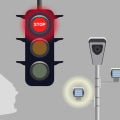
- Traffic Signals: Obey all traffic signals and signs. A red light means stop, while a green light indicates you can proceed.
Be cautious of yellow lights, which signal that you should prepare to stop.
- Seat Belts: Wearing a seat belt is not just a good practice; it’s a legal requirement in most states. Ensure that all passengers are buckled up before driving.
- Drunk Driving Laws: Driving under the influence of alcohol or drugs is illegal and can result in severe consequences, including fines and imprisonment. Always have a designated driver or use alternative transportation if you plan to drink.
- Mobile Device Use: Many states have laws prohibiting texting or using handheld devices while driving. Stay focused on the road to avoid distractions.
Remember, knowledge of traffic law not only helps you avoid fines but also protects lives.
Common Mistakes to Avoid When Applying for a Driver's License
Applying for a driver's license can be a daunting process, and many applicants make common mistakes that can delay or even derail their application. Understanding these pitfalls is crucial for a smooth experience.- Incomplete Documentation: One of the most frequent errors is failing to provide all necessary documents. Each state has specific requirements, so it’s essential to check the traffic law guidelines in your area. Ensure you have your identification, proof of residency, and any other required paperwork ready before your appointment.
- Ignoring the Rules of the Road: Many applicants underestimate the importance of understanding traffic laws.
Failing the written test due to a lack of knowledge about local traffic regulations can set you back significantly. Study your state’s driver handbook thoroughly.
- Not Practicing Enough: Some individuals believe that they can pass the driving test without adequate practice. This can lead to poor performance during the road test. Make sure to log sufficient practice hours with a licensed driver to build confidence and skill.
- Missing Appointments: Life can get busy, but missing your scheduled appointment can result in delays and additional fees.
Always confirm your appointment time and arrive early to avoid any last-minute issues.
- Overlooking Fees: Each state has different fees associated with obtaining a driver's license. Failing to bring the correct payment method or amount can lead to complications. Check the fee structure beforehand and ensure you have the right funds available.
Frequently Asked Questions About Driver's Licenses
When it comes to obtaining a driver's license in the United States, many individuals have questions about the process and requirements. Here are some of the most frequently asked questions:- What is the minimum age to obtain a driver's license?
In most states, the minimum age to apply for a full, unrestricted driver's license is 18 years old.However, many states offer a provisional or learner's permit at 15 or 16 years of age, allowing young drivers to practice under certain conditions.
- What documents do I need to provide?
Typically, you will need to present several documents, including:- Your birth certificate or passport
- Proof of residency (such as a utility bill)
- Your Social Security number
- Any previous driver's licenses (if applicable)
- Do I need to take a written test?
Yes, most states require applicants to pass a written knowledge test that covers traffic laws, road signs, and safe driving practices. This test ensures that you understand the rules of the road before getting behind the wheel. - Is a driving test mandatory?
In most cases, yes. After passing the written test, you will need to take a practical driving test to demonstrate your ability to operate a vehicle safely. This includes performing maneuvers such as parallel parking and obeying traffic signals. - What if I fail the tests?
If you do not pass either the written or driving tests, you can usually retake them after a waiting period.The specific rules regarding retakes vary by state, so it's important to check with your local Department of Motor Vehicles (DMV).
Conclusion: Key Takeaways on Obtaining a Driver's License in the U.S.
In summary, obtaining a driver's license in the United States is a multifaceted process that requires careful attention to both state-specific requirements and traffic laws. Understanding these elements is crucial for ensuring a smooth transition from a learner's permit to a full-fledged driver's license. Here are the key takeaways:- Age Requirements: Most states require applicants to be at least 16 years old, although some allow for earlier applications under certain conditions.
- Documentation: Applicants must provide proof of identity, residency, and legal presence in the U.S. This often includes documents like birth certificates, Social Security cards, and utility bills.
- Written and Vision Tests: A written test covering traffic laws and safe driving practices is typically required, along with a vision test to ensure the applicant can see adequately.
- Behind-the-Wheel Training: Many states mandate a specific number of hours of supervised driving experience before taking the driving test.
- Driving Test: Successfully passing a practical driving test is essential to demonstrate the ability to operate a vehicle safely and in accordance with traffic laws.
Familiarity with these regulations not only aids in passing the tests but also promotes safe driving practices that can prevent accidents and legal issues down the line. Ultimately, understanding the requirements for obtaining a driver's license and adhering to traffic laws is not just about compliance; it’s about fostering responsible driving habits that contribute to safer roads for everyone.