Understanding traffic law is crucial for every driver, as it encompasses the rules and regulations that govern road use and ensure safety for all. One of the most serious violations within this framework is leaving the scene of an accident, which can have significant legal repercussions. When an accident occurs, whether minor or severe, drivers have a legal obligation to stop, provide assistance if necessary, and exchange information with other parties involved. Failing to do so not only complicates the situation but also raises questions about accountability and responsibility. The responsibilities that come with driving extend beyond merely following traffic signals or speed limits; they include understanding what to do in the event of an accident.
Many individuals may not realize that leaving the scene can lead to severe penalties, including fines, license suspension, and even imprisonment. These consequences are designed to deter reckless behavior and promote a culture of responsibility among drivers. As we delve deeper into the implications of leaving the scene of an accident, it becomes evident that knowledge of traffic law is essential for all motorists. Being informed not only helps in making better decisions during stressful situations but also fosters a safer driving environment for everyone on the road. In the following sections, we will explore the specific penalties associated with this offense and why adhering to traffic laws is vital for maintaining public safety.
What Constitutes Leaving the Scene of an Accident?
Leaving the scene of an accident, often referred to as a hit and run, occurs when a driver involved in a collision fails to stop and provide necessary information or assistance.This behavior is not only unethical but also illegal under traffic law. Understanding what constitutes leaving the scene is essential for both drivers and victims alike.
Definition of Leaving the Scene
Legally, leaving the scene of an accident means that a driver has departed from the location of an accident without fulfilling their obligations. These obligations typically include:
- Exchanging contact and insurance information with the other party involved.
- Providing aid to any injured individuals.
- Reporting the incident to law enforcement if required by state law.
What is a Hit and Run?
A hit and run specifically refers to situations where a driver leaves the scene after causing damage or injury. This can involve:
- Collisions with other vehicles.
- Pedestrian accidents.
- Property damage, such as hitting a parked car or a fence.
In many jurisdictions, traffic laws classify hit and run offenses based on whether they resulted in property damage or personal injury, with harsher penalties for cases involving injuries.
Traffic Law Definitions
Each state has its own specific definitions and penalties regarding leaving the scene of an accident. Generally, traffic laws aim to ensure that all parties involved in an accident are held accountable. Familiarizing oneself with these laws can help drivers understand their responsibilities and avoid severe legal consequences.
Legal Penalties for Leaving the Scene of an Accident
Leaving the scene of an accident, commonly referred to as a hit and run, can lead to severe legal consequences under traffic law. The penalties vary significantly depending on the circumstances surrounding the incident, including whether there were injuries or fatalities involved.Fines and Restitution
- In many states, individuals who flee the scene may face hefty fines that can range from several hundred to several thousand dollars.
- Additionally, victims of the accident may seek restitution for damages, which can further increase the financial burden on the offender.
License Suspension
- A conviction for leaving the scene often results in a suspension of the driver’s license.
The duration of this suspension can vary, but it typically lasts from six months to several years.
- In some cases, offenders may be required to complete a driver improvement program before their license is reinstated.
Potential Jail Time
- If the accident resulted in serious injury or death, the penalties become even more severe. Offenders may face felony charges, which can lead to significant jail time—ranging from one year to several years in prison.
- Misdemeanor charges for less severe incidents may still result in jail time, often up to one year.
Factors Influencing Penalties in Traffic Law
When it comes to traffic law, the penalties for leaving the scene of an accident can vary significantly based on several key factors. Understanding these factors is crucial for anyone involved in such incidents, as they can influence the legal consequences faced by the driver who flees.- Severity of Injuries: One of the most critical factors is whether any individuals sustained injuries during the accident.
If a driver leaves the scene and someone is injured, the penalties are typically much harsher. In many jurisdictions, this can escalate from a misdemeanor to a felony charge, depending on the extent of the injuries.
- Property Damage: The amount of property damage caused by the accident also plays a significant role. Minor damage may result in lesser penalties, while significant damage to vehicles or public property can lead to increased fines and potential jail time.
- Prior Offenses: A driver’s history with traffic violations can influence penalties as well. Repeat offenders may face stiffer consequences compared to first-time offenders, reflecting a pattern of irresponsible behavior.
- State Laws: Different states have varying laws regarding hit-and-run incidents.
Some states impose mandatory minimum sentences or specific fines that can affect the overall penalty structure.
- Intent: The circumstances surrounding the decision to leave the scene can also be considered. If a driver fled due to panic or fear rather than malicious intent, this may be taken into account during sentencing.
State-Specific Laws on Leaving the Scene of an Accident
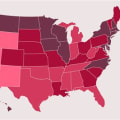
When it comes to leaving the scene of an accident, the laws can vary significantly from state to state.Understanding these differences is crucial for drivers, as penalties can range from minor fines to severe criminal charges.
State Variations in Traffic Law
- California: In California, leaving the scene of an accident is classified as a misdemeanor if there are no injuries involved. However, if the accident results in injury or death, it can escalate to a felony charge, carrying penalties of up to four years in prison.
- Texas: Texas law categorizes hit-and-run incidents based on the severity of the accident. If someone is injured, the offense is a third-degree felony, which can lead to 2 to 10 years in prison and hefty fines. For property damage only, it is a Class B misdemeanor.
- Florida: In Florida, leaving the scene of an accident with injuries is a felony, punishable by up to five years in prison.
If no injuries occur, it is treated as a misdemeanor with lesser penalties.
- New York: New York has strict laws regarding hit-and-run incidents. Leaving the scene of an accident that results in injury can lead to serious felony charges, while property damage alone may result in misdemeanor charges.
State-Specific Penalties
The penalties for leaving the scene of an accident are not only dependent on whether injuries occurred but also on the specific circumstances surrounding each case. For instance:
- Some states impose mandatory license suspensions for those convicted of hit-and-run offenses.
- In many jurisdictions, repeat offenders face harsher penalties, including longer prison sentences and larger fines.
- Insurance implications can also be severe; drivers may find it challenging to obtain coverage or face increased premiums after a hit-and-run conviction.
What to Do If You Are Involved in an Accident
Being involved in a car accident can be a stressful experience, but knowing the right steps to take can help mitigate potential legal repercussions.Here’s what you should do immediately after an accident:
- Ensure Safety: First and foremost, check for injuries. If anyone is hurt, call 911 immediately. Move to a safe location if possible, but do not leave the scene.
- Call the Authorities: It’s crucial to report the accident to law enforcement. A police report can be vital for insurance claims and any potential legal issues.
- Exchange Information: Collect contact and insurance information from all parties involved.
This includes names, phone numbers, addresses, and insurance details.
- Document the Scene: Take photos of the accident scene, vehicle damage, and any relevant road conditions or traffic signs. This documentation can be invaluable later.
- Avoid Admitting Fault: While it’s important to be polite and cooperative, do not admit fault at the scene. Liability can be complex and is often determined later through investigations.
- Seek Medical Attention: Even if you feel fine, it’s wise to get checked by a medical professional. Some injuries may not be immediately apparent.
- Notify Your Insurance Company: Report the accident to your insurer as soon as possible.
Provide them with all necessary information and documentation.
- Consult Legal Advice: If there are significant damages or injuries, consider seeking legal advice. An attorney specializing in traffic law can help you navigate any potential claims or disputes.
Frequently Asked Questions About Leaving the Scene of an Accident
Leaving the scene of an accident, commonly referred to as a hit and run, raises numerous questions regarding legal implications and penalties. Here are some frequently asked questions that can help clarify this complex issue.- What constitutes leaving the scene of an accident?
Leaving the scene of an accident typically involves failing to stop and provide information or assistance after being involved in a collision, regardless of whether you were at fault. - What are the penalties for leaving the scene?
Penalties can vary significantly by state but often include fines, points on your driving record, and potential jail time. In many jurisdictions, it is classified as a misdemeanor or felony depending on the severity of the accident. - Can I be charged if I didn’t cause the accident?
Yes, you can still be charged with leaving the scene even if you were not at fault.The law requires all drivers to stop and exchange information regardless of liability.
- What should I do if I accidentally leave the scene?
If you realize you have left the scene, it is crucial to return as soon as possible to report the incident. This may help mitigate legal consequences. - Will my insurance cover me if I leave the scene?
Leaving the scene can complicate insurance claims. Many policies have clauses that may limit coverage if you flee from an accident.
Conclusion: The Importance of Adhering to Traffic Laws
In conclusion, understanding traffic laws is crucial for every driver, especially when it comes to the responsibilities that arise after an accident.Leaving the scene of an accident can lead to severe legal consequences, including hefty fines, license suspension, and even imprisonment. These penalties are designed not only to punish offenders but also to promote accountability and safety on the roads.It is essential for drivers to recognize that accidents can happen to anyone, and how one responds can significantly impact the outcome. By adhering to traffic laws, individuals can ensure that they are acting responsibly and ethically. Here are some key takeaways:
- Stay at the Scene: Always remain at the scene of an accident, regardless of how minor it may seem.
This allows for proper reporting and assistance to those involved.
- Exchange Information: Collect and provide necessary information such as names, contact details, insurance information, and vehicle details.
- Report the Incident: Notify law enforcement if there are injuries or significant property damage. A police report can be vital for insurance claims.
- Understand Your Rights: Familiarize yourself with your rights and responsibilities under traffic law. This knowledge can help you navigate the aftermath of an accident more effectively.